

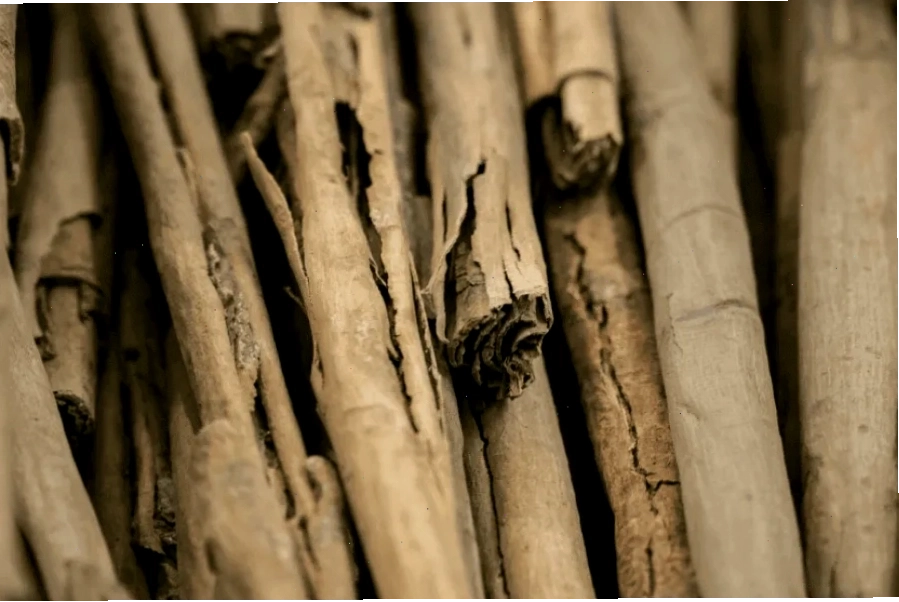
Cinnamon, a spice prized for its sweet aroma and flavour, boasts a history as rich and complex as its scent. Originating from the inner bark of trees belonging to the Cinnamomum genus, its roots trace back to the Indian subcontinent, an area historically renowned for its aromatic treasures. This precious commodity was not merely a culinary ingredient; its significance permeated religious, social, and medicinal practices across ancient civilizations long before it became a staple in European kitchens.
Cinnamon's Ancient Origins and Uses
The allure of cinnamon dates back to biblical eras, where it was mentioned in various texts. It served as a component in anointing oils used for spiritual and ceremonial purposes, and was also a symbol of affection and friendship. In ancient Rome, its fragrant smoke was utilized during funeral rites, creating an atmosphere of solemnity and remembrance. While its use extended beyond the purely practical, its most common application was indeed as an additive to enhance the flavour of food and beverages.

The Spice of Status in Medieval Europe
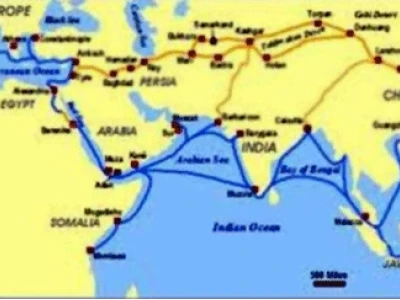
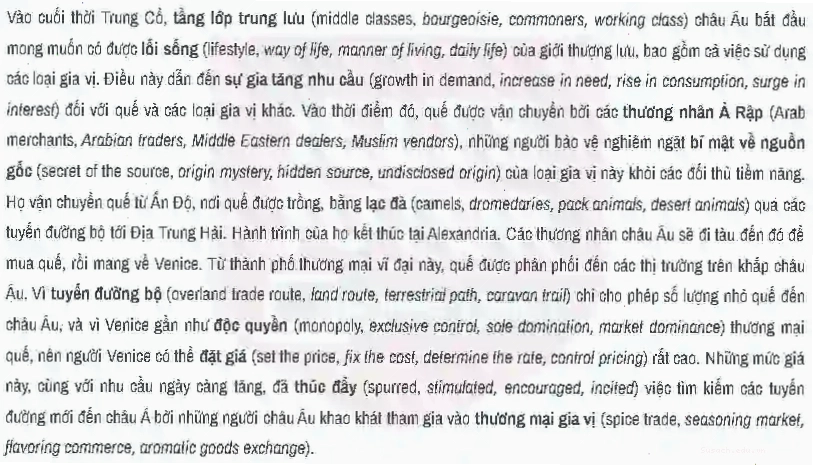
During the Middle Ages, cinnamon arrived in Europe as an exotic and highly coveted commodity. Its journey from the East was fraught with peril and intermediaries, significantly driving up its cost. Consequently, only the affluent could afford to incorporate this luxurious spice into their diets, primarily to flavour meat dishes and to publicly display their wealth and social standing. Hosts would often present guests with ornate plates piled high with expensive spices, cinnamon being a prominent example, as a clear testament to their affluence. Beyond its culinary and social prestige, cinnamon was also attributed with various health benefits, thought to alleviate ailments such as indigestion and other digestive issues.
Growing Demand and the Middle Class
As the Middle Ages drew to a close, a discernible shift occurred in European society. The burgeoning middle classes began to aspire to the luxurious lifestyles previously enjoyed only by the elite. This aspiration fueled a growing demand for the very spices that symbolized status and sophistication, including cinnamon. This increased desire naturally led to a greater demand for cinnamon, setting the stage for more intensive trade efforts to meet the needs of a wider segment of the European population.
The Quest for Cinnamon and European Expansion
The immense value placed on spices like cinnamon was a significant catalyst for European exploration and the Age of Discovery. Nations vied for direct access to the source of these valuable commodities to bypass costly intermediaries and control lucrative trade routes. This pursuit of spices, including cinnamon, profoundly influenced maritime exploration, leading to the charting of new sea passages and the establishment of global trade networks. The desire for cinnamon was not just about flavour; it was a driving force behind the economic and political transformations that shaped the modern world.
The Early History of Cinnamon IELTS Reading Context
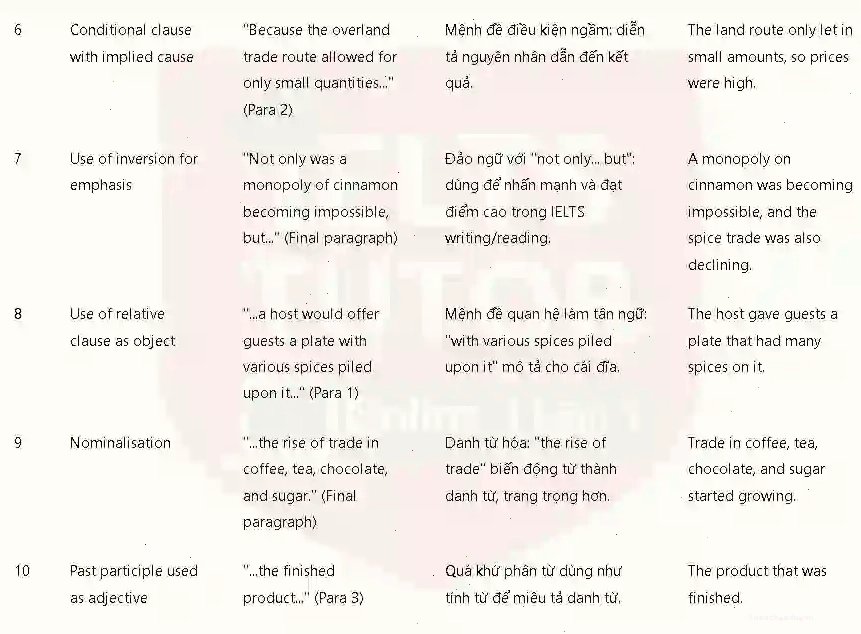
Understanding the early history of cinnamon is crucial for various contexts, including historical studies and language proficiency tests like IELTS. The passage 'Bringing Cinnamon to Europe' from Cambridge IELTS 13 Test 2 provides a detailed look at this topic. Practicing with such texts helps to expand vocabulary and comprehension skills, particularly for the IELTS reading section. Resources that offer comprehensive explanations, answer keys, and vocabulary lists for passages like 'the early history of cinnamon ielts reading' are invaluable for students preparing for the exam.
The journey of cinnamon from its origins to its integration into European life is a compelling narrative of trade, culture, and human ambition. The 'the early history of cinnamon reading' and its associated 'answer key' are vital components for anyone seeking to understand this historical phenomenon thoroughly.
The Enduring Legacy of Cinnamon
From its ancient roots to its pivotal role in medieval commerce and exploration, cinnamon's early history is a testament to the profound impact a single spice could have on global events. Its journey underscores the interconnectedness of economies and cultures across vast distances. The continued appreciation for cinnamon today, in both culinary and non-culinary applications, speaks to its enduring appeal and historical significance. Exploring 'the early history of cinnamon answer' provides deeper insights into how this spice shaped civilizations and continues to be a part of our world.
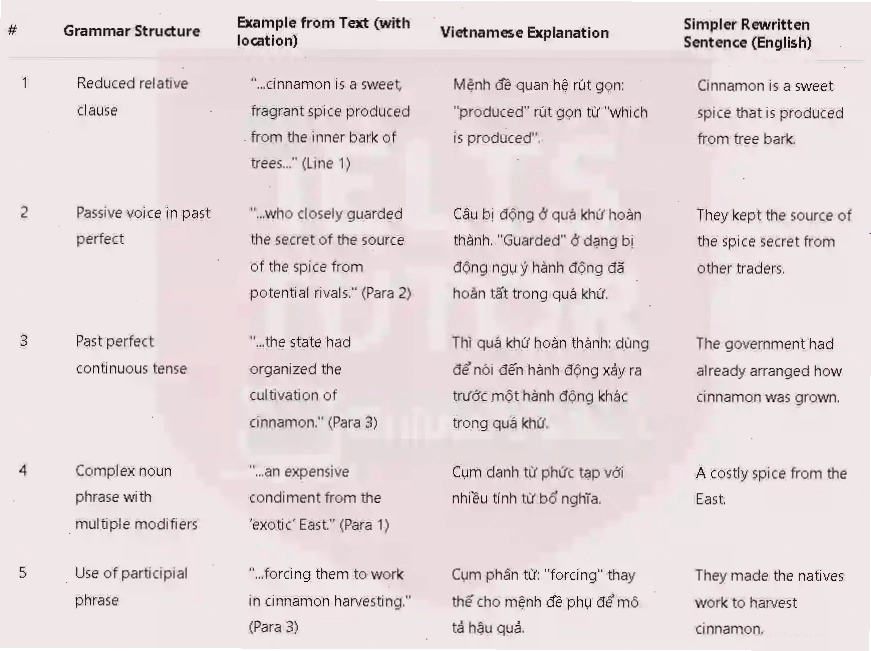
The study of 'the early history of cinnamon reading answers' not only enriches our understanding of historical trade but also enhances critical thinking and analytical skills. This historical perspective highlights how demand for specific commodities can drive innovation and exploration, fundamentally altering the course of history.